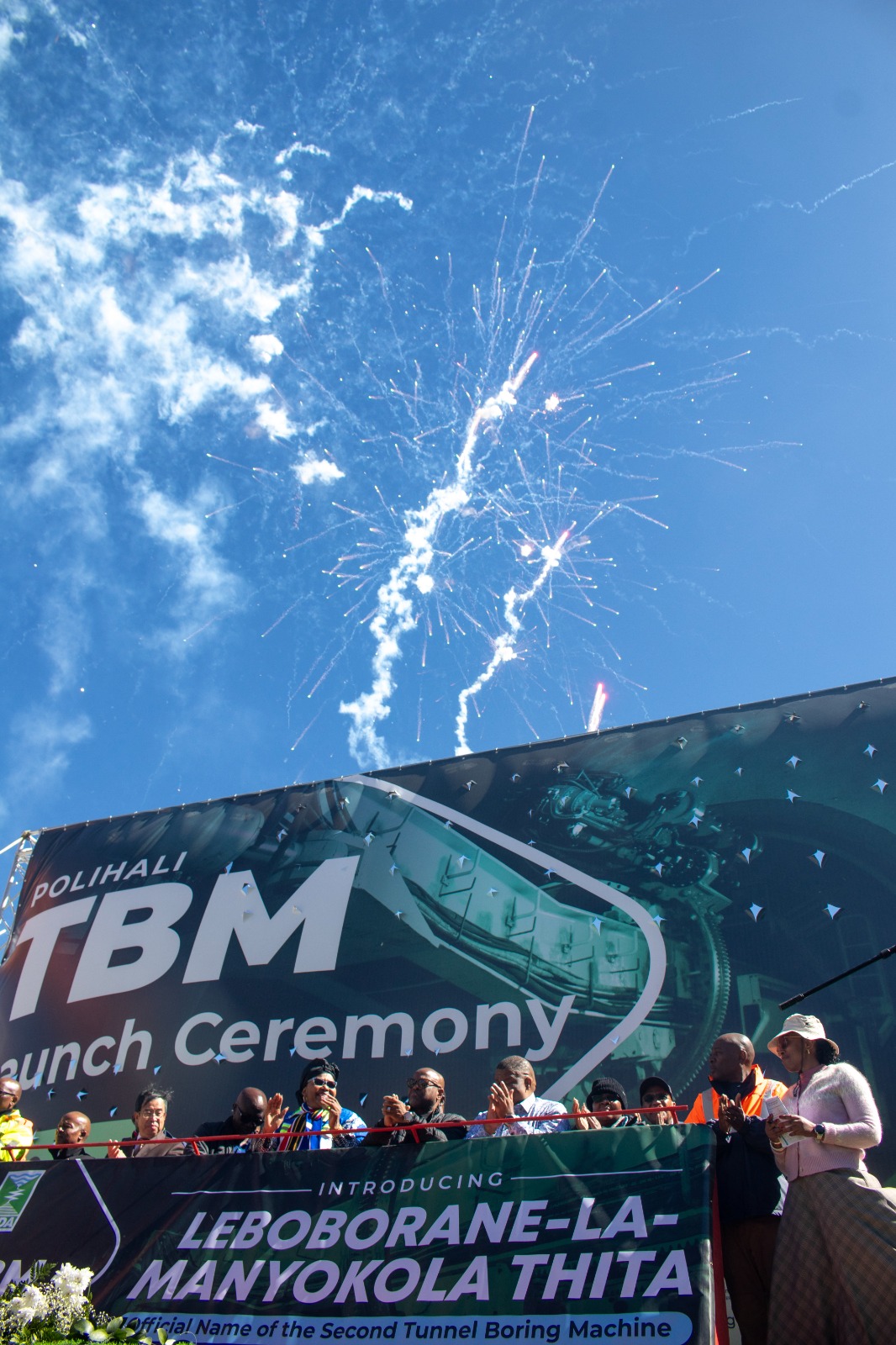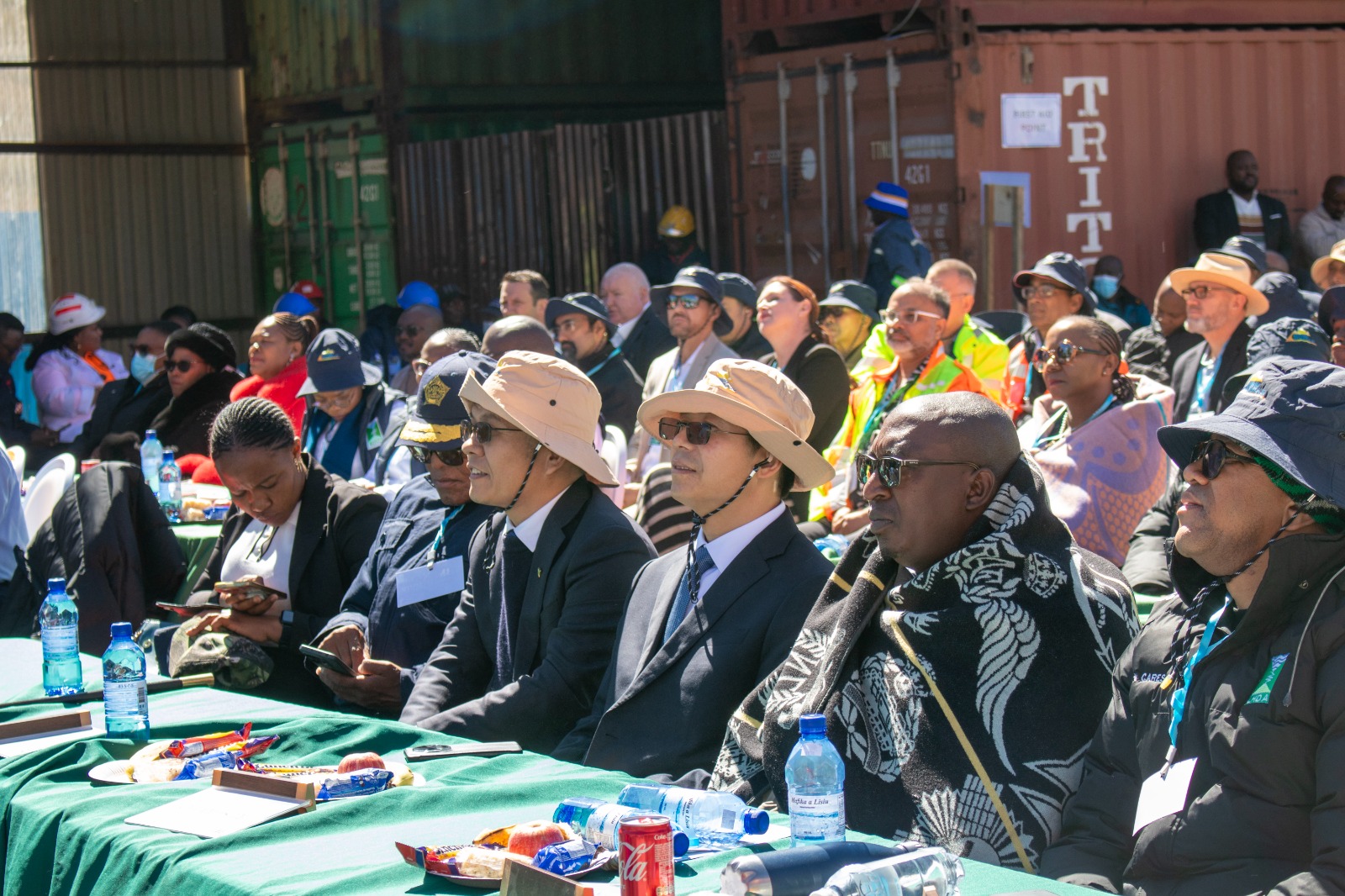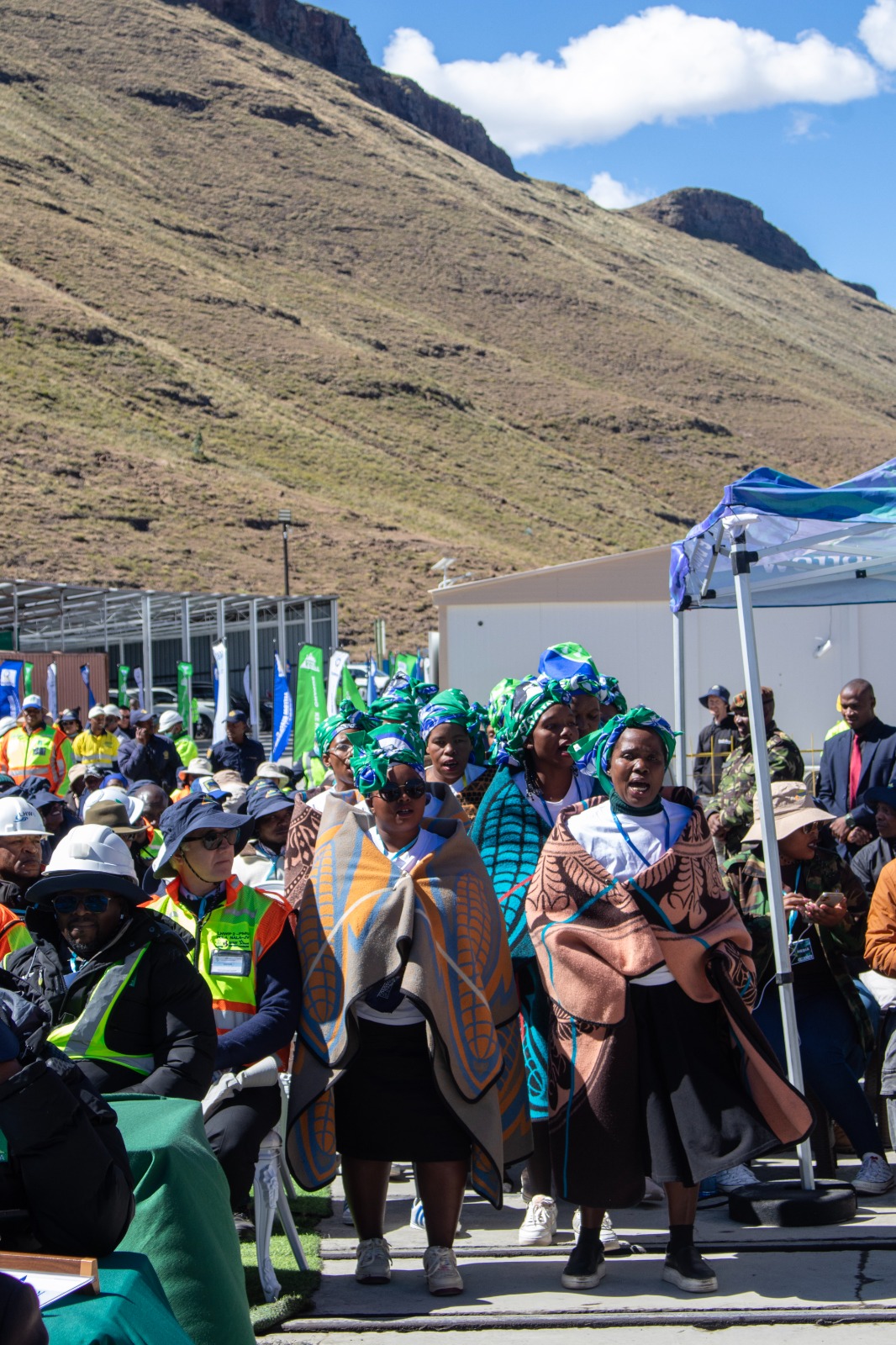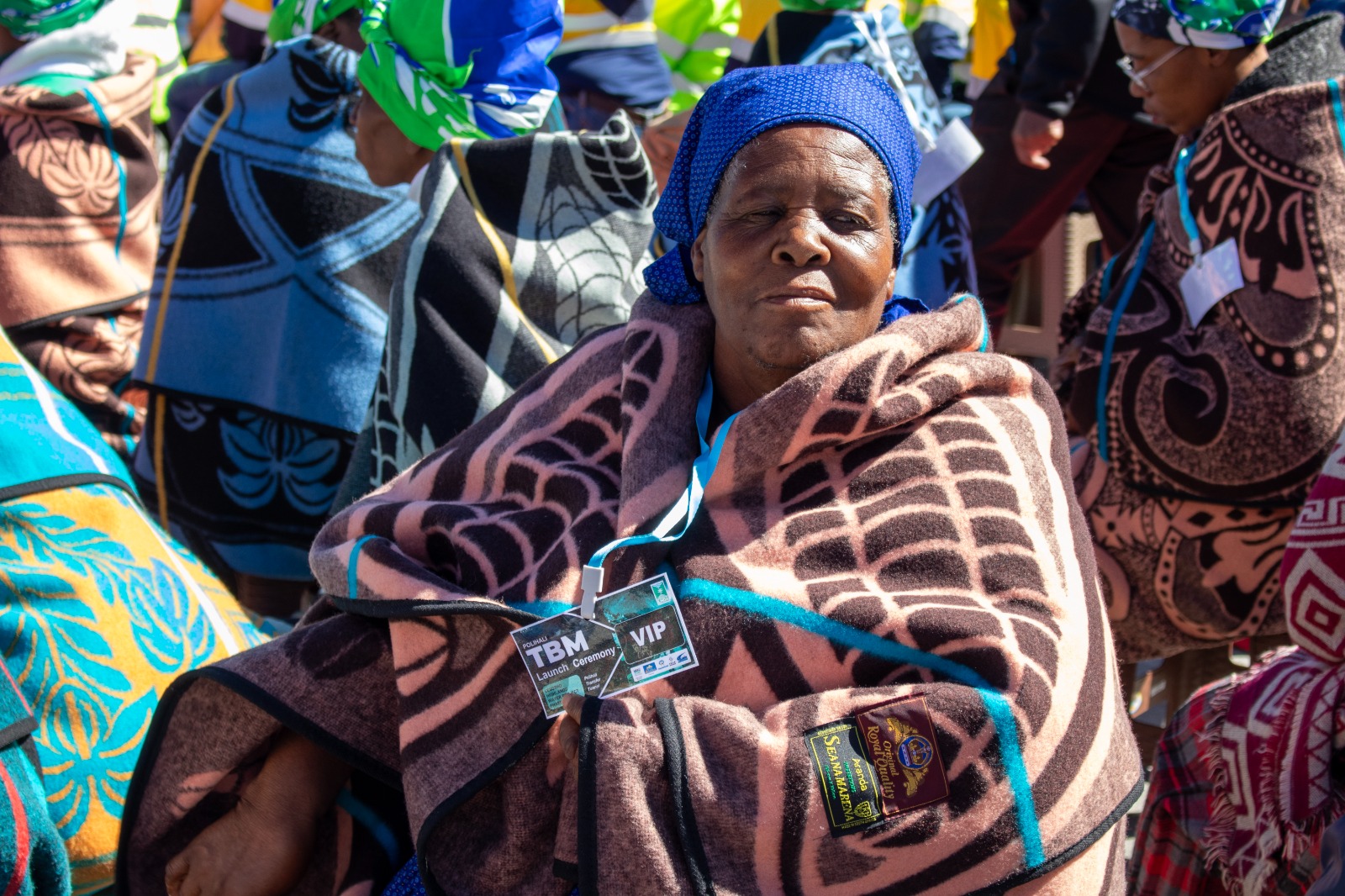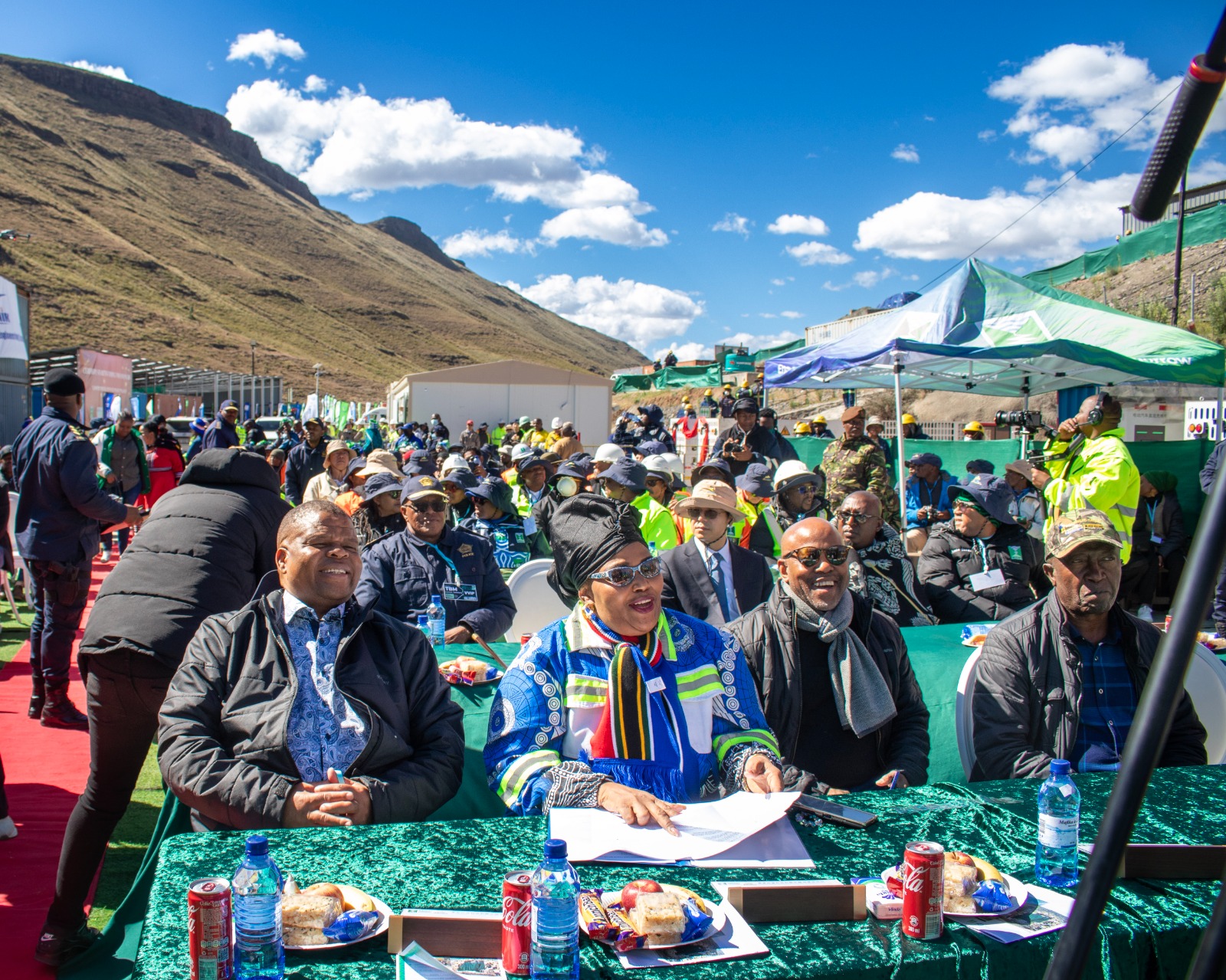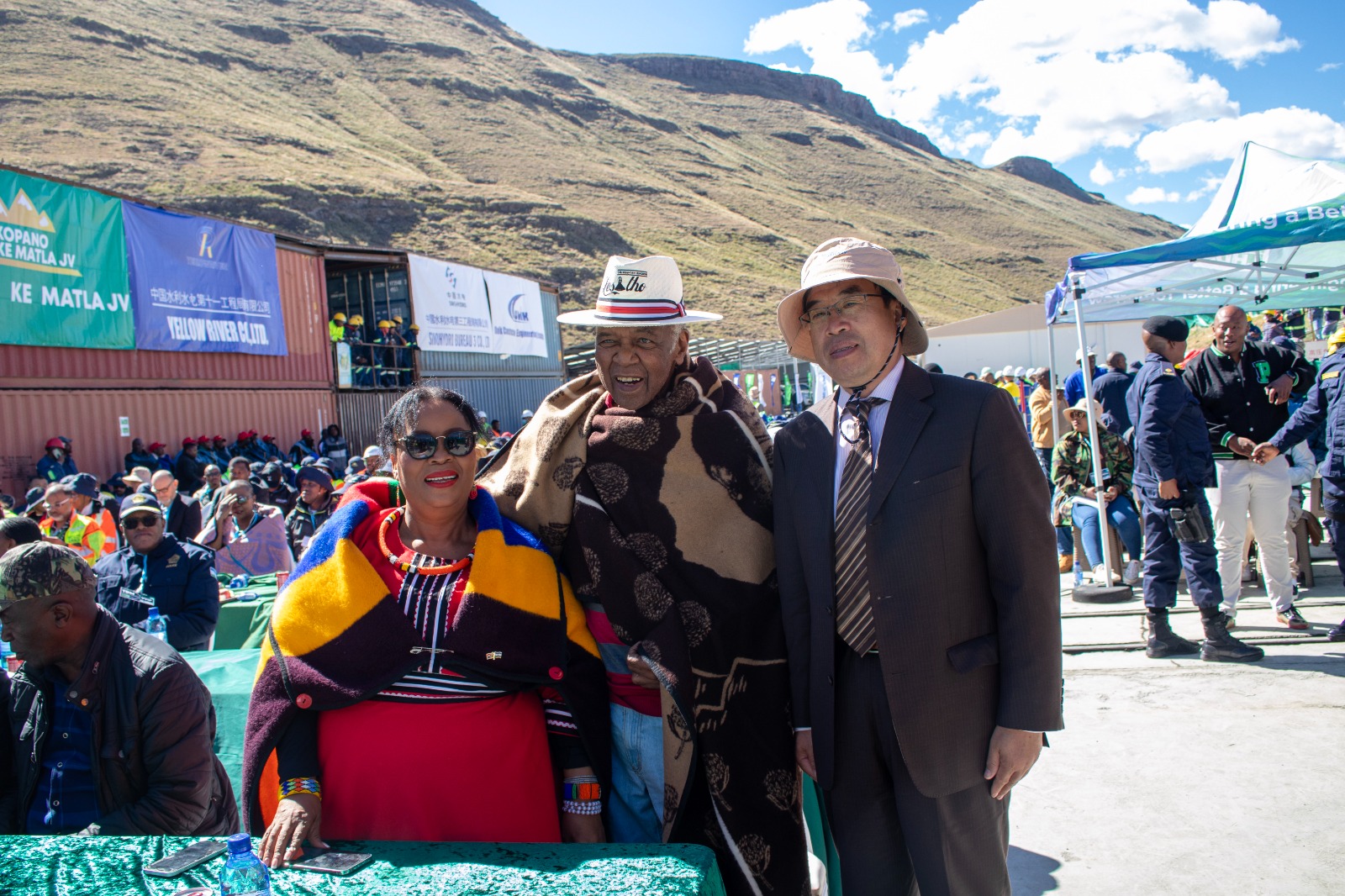
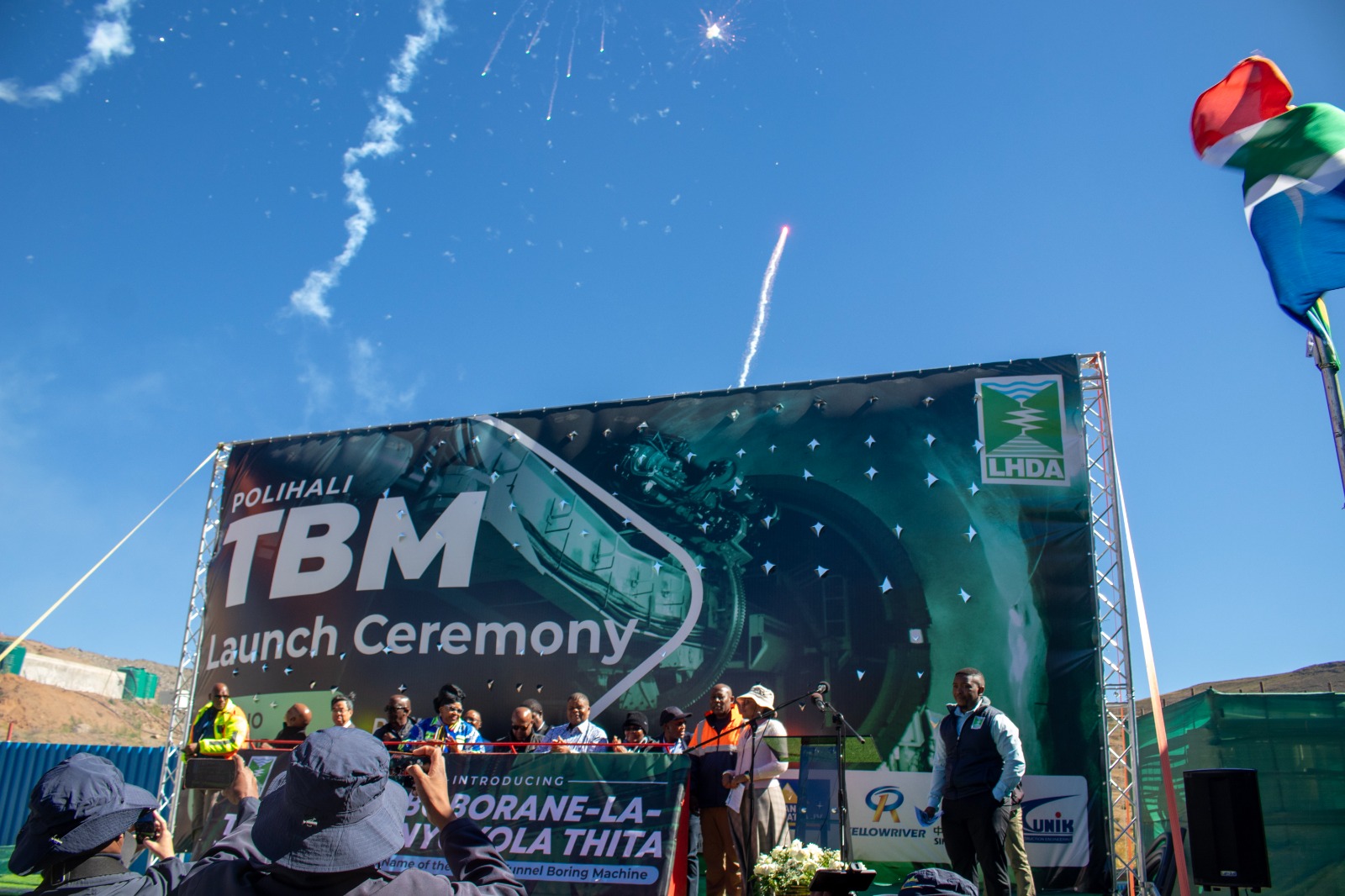
MOKHOTLONG, LESOTHO – On Monday, 20 April 2026, the high-altitude landscape of Malingoaneng became the backdrop for a historic leap in Southern African infrastructure. The official launch and naming of the second Tunnel Boring Machine (TBM) for the Polihali Transfer Tunnel marks the definitive transition from preparation to full-scale underground excavation for Phase II of the Lesotho Highlands Water Project (LHWP).
In a region increasingly defined by water scarcity and rapid urbanization, this milestone is a strategic intervention for South Africa’s economic heartland. As the TBM advances, it brings the vision of a water-secure Gauteng—which supports 60% of South Africa’s economy—closer to reality, while simultaneously strengthening the regional resilience and energy independence of the Kingdom of Lesotho. This launch, occurring during the 40th anniversary of the Lesotho Highlands Development Authority (LHDA), signals more than just technical progress; it is a reaffirmation of one of the world’s most successful transboundary water sharing treaties.
1. Technical Mastery: Engineering Under Pressure
The Polihali TBM is not merely a machine; it is a 423-metre-long subterranean factory. Specifically designed by the U.S.-based Robbins Company and manufactured by CCCC Tianhe in China, this double-shielded TBM was custom-engineered to conquer the formidable basalt rock of the Maluti Mountains.
The Anatomy of a Titan
To understand the scale of the task, one must look at the specifications of the machine itself. The cutterhead, a 5.38-metre diameter steel disk, is equipped with heavy-duty tungsten carbide cutters designed to grind through rock with a compressive strength that would shatter standard equipment. As the machine moves forward, it exerts thousands of tonnes of thrust against the tunnel face.
Technical Specifications at a Glance:
- Total Length: 423 metres (equivalent to nearly four football fields).
- Weight: Over 900 tonnes of machinery, including the cutterhead, main drive, and 31 backup gantries.
- Overburden: The machine is designed to operate under rock cover exceeding 1,000 metres, where the “mountain pressure” becomes a significant engineering variable.
- Lining System: Unlike traditional “drill and blast” methods, this TBM performs concurrent excavation and installation. It places precast concrete lining segments—each weighing several tonnes—to form a permanent, waterproof ring immediately behind the cutterhead.
The High-Altitude Challenge
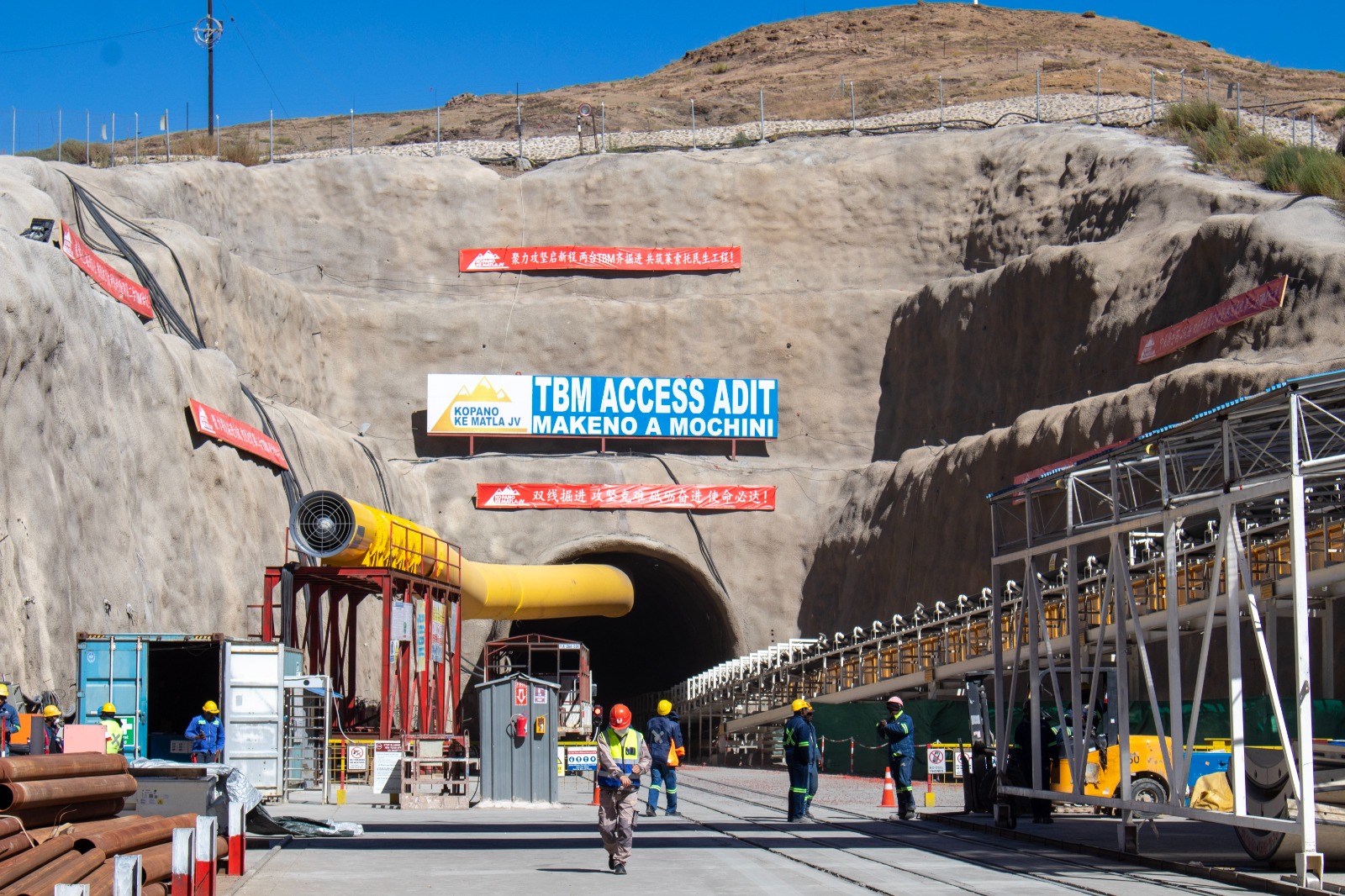
The assembly of the TBM at an altitude of nearly 3,000 metres presented a logistical puzzle. Every component had to be transported via the newly constructed Northern Access Road, navigating steep gradients and sharp hairpin bends. The Kopano Ke Matla (KKM) JV—comprising Yellow River Company, Sinohydro Bureau 3, and Unik Civil Engineering—demonstrated extraordinary technical expertise in managing the “on-site” assembly. This involved a dedicated workforce of engineers and technicians working in thin air and low temperatures to ensure the machine was “launch-ready” by the April deadline.
2. A Step-Change in Project Proficiency: The Pincer Movement
The launch of the Polihali TBM completes a critical strategic objective: the “pincer movement.” In February 2025, the first TBM was launched from the Katse Dam side. With the Polihali unit now active, the project is boring from both ends of the 38.5km alignment simultaneously.
Accelerating the Timeline
By utilizing two TBMs, the LHDA has effectively halved the risk of single-point failures and significantly compressed the construction schedule. The Katse TBM has already cleared its first 1,000 metres of basalt, while the Polihali unit has advanced its initial 380 metres. This dual-drive strategy is ensuring the LHWP Phase II meets its ambitious 2028/29 commissioning date.
This proficiency is vital for the Integrated Vaal River System (IVRS). Once complete, the transfer tunnel will increase the volume of water transferred from Lesotho to South Africa from the current 780 million cubic metres per annum to 1,270 million cubic metres. For the millions of residents and thousands of industries in Gauteng, the Free State, and the North West, this 490 million cubic metre increase represents the difference between managed growth and systemic water restrictions.
The Hybrid Approach
While the TBMs handle the bulk of the 38.5km drive, the project team is also employing “drill and blast” techniques for shorter access adits and geologically complex sections near the intake and outlet structures. This hybrid approach allows for flexibility, ensuring that if one method encounters unforeseen geological “faults” or water ingress, the other can continue to maintain the project’s momentum.
3. Regional Resilience and Energy Independence
The LHWP has always been a “dual-purpose” project. While South Africa receives the water, Lesotho receives the power—and the royalties.
Hydropower Gains
The additional water flow generated by Phase II isn’t just destined for South African taps; it must first pass through the turbines of the ‘Muela Hydropower Station. The increased volume is projected to boost hydropower generation by approximately 30%. This is a critical step toward Lesotho’s goal of total energy self-sufficiency, reducing its reliance on imported electricity from South Africa and Mozambique.
Furthermore, feasibility studies for the Oxbow Hydropower Scheme—a further component of Lesotho’s energy master plan—are being integrated into the broader Phase II framework. Minister of Natural Resources, Mr. Mohlomi Moleko, noted during the launch that the synergy between water transfer and energy production is what makes the LHWP a “model of sustainable regional development.”
Water as a Tool for Peace
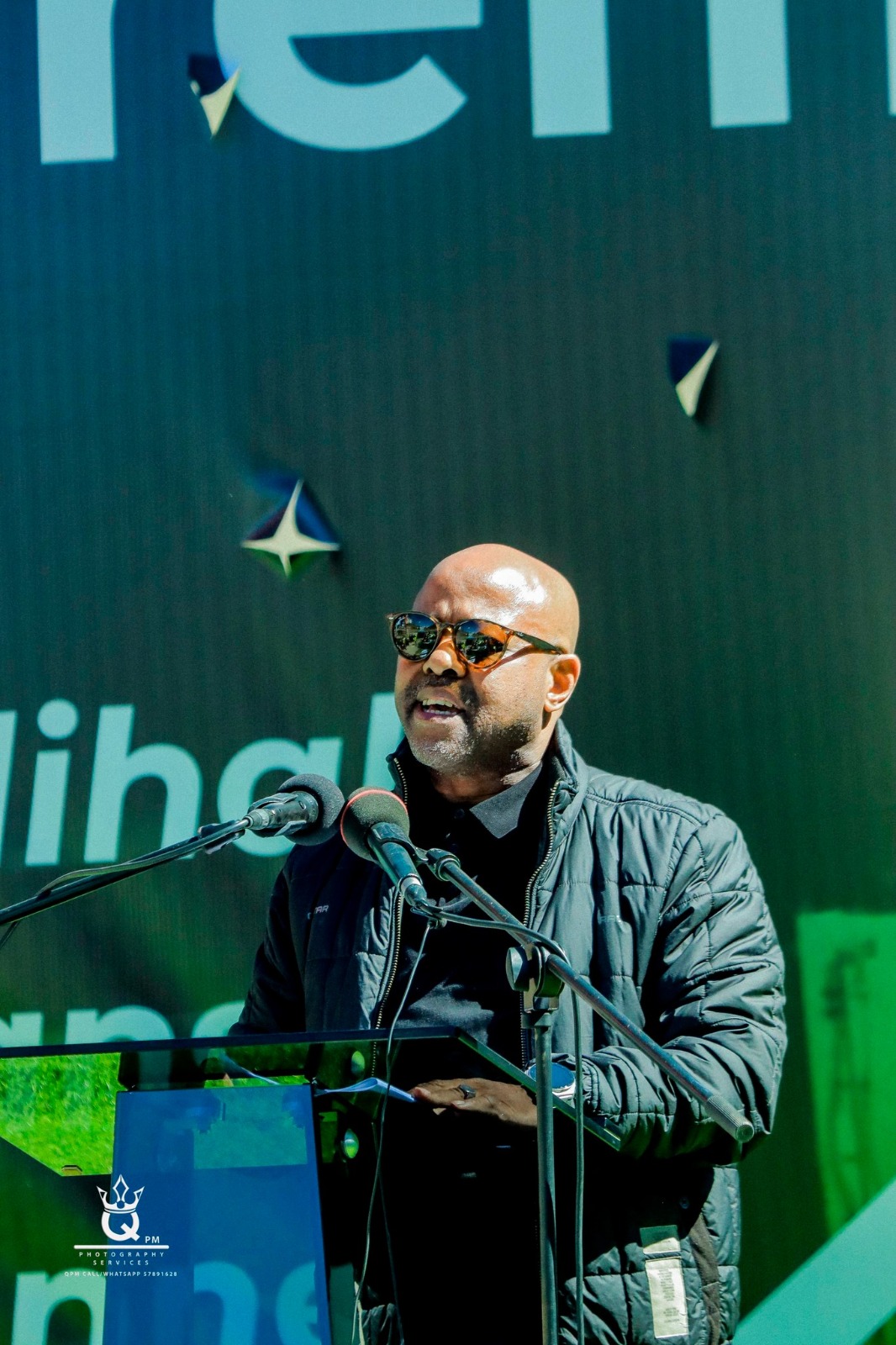
In a moving address at the launch, South Africa’s Deputy Minister of Water and Sanitation, David Mahlobo, contrasted the Southern African experience with other global regions where water scarcity leads to conflict. “In SADC, water is used for peace. Water is used for shared development,” Mahlobo stated. The Polihali tunnel, he added, serves as an “umbilical cord” joining two nations in a shared future of prosperity.
4. Socio-Economic Transformation: Beyond the Basalt
The Polihali project is currently the largest employer in Lesotho’s construction sector. As of April 2026, the statistics highlight a profound impact on local livelihoods:
- Employment: Over 2,400 Basotho workers are currently engaged across the dam and tunnel sites.
- Skills & Certification: In a groundbreaking move, the LHDA, in collaboration with the Ministry of Education, has implemented a Skills Testing and Accreditation Programme. Over 1,100 individuals have been trained, and 700 have received formal trade certifications. This ensures that when the project ends, these workers possess portable, recognized qualifications.
- Local Procurement: Over M600 million has been spent on local Basotho-owned businesses, ranging from catering and transport to specialized subcontracting.
Minister Pemmy Majodina emphasized that this socio-economic focus is “intentional, not incidental.” The project has also funded the construction of new schools, clinics, and over 100km of feeder roads, ensuring that the communities of Mokhotlong see tangible benefits long before the first drop of water reaches the tunnel.
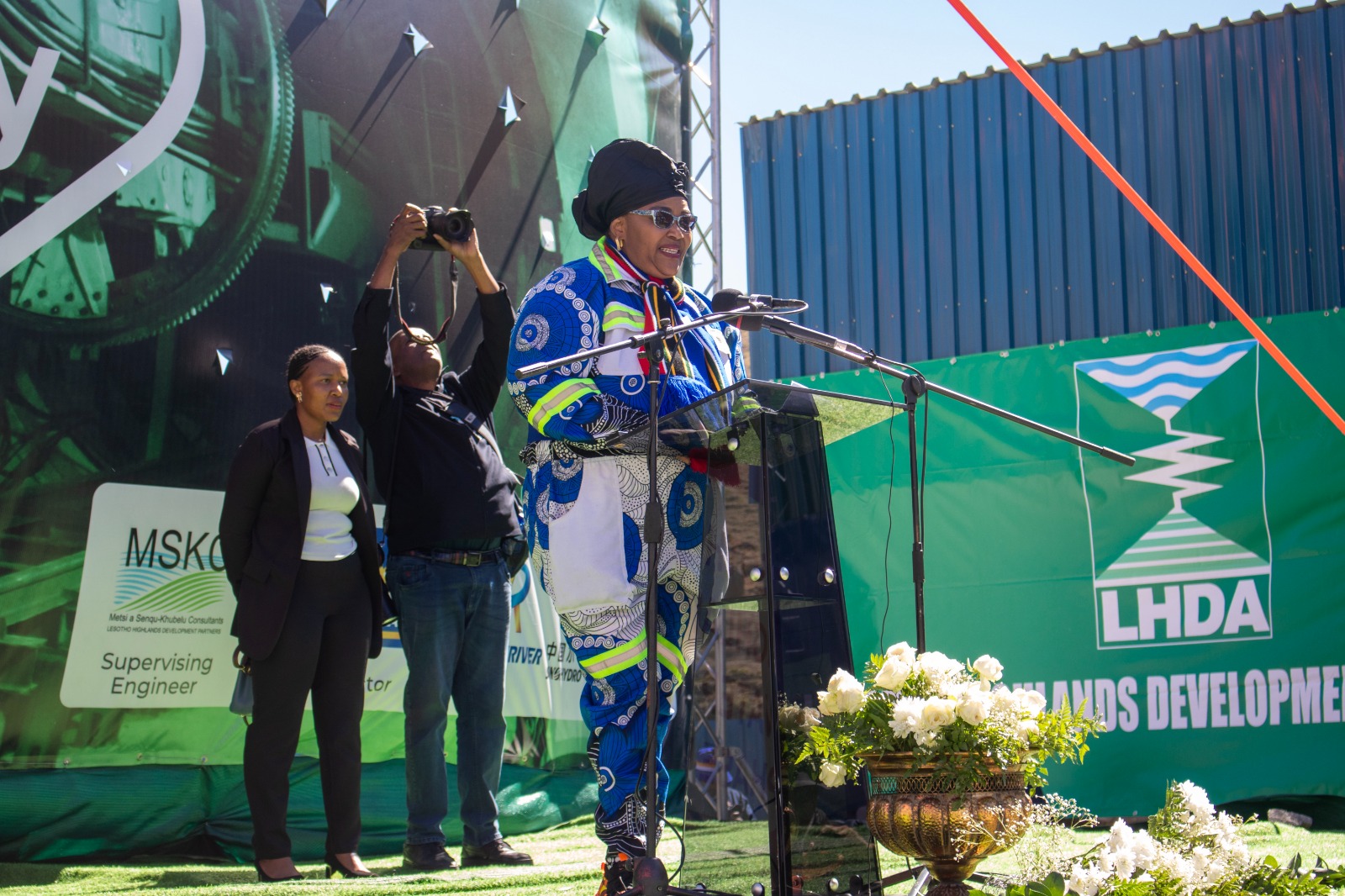
5. ‘Leboborane la Monyokola Thita’: A Name for the Ages
The naming of the TBM was a highlight of the launch ceremony, rooted in the LHDA’s commitment to community engagement. The “Schools Edition” naming competition invited Grade 11 students from across Lesotho to propose names that reflected the machine’s power and purpose.
The Carpenter Bee
The winning name, “Leboborane la Monyokola Thita,” was proposed by Malira Chefa of St. Paul High School in Botha-Bothe. The name is a Sesotho metaphor comparing the TBM to the Leboborane (Carpenter Bee). Just as the bee meticulously drills perfect, round holes in wood while creating a distinct buzzing sound that demands attention, the TBM drills through the “Thita” (the mountain/hill) with unyielding focus.
Malira’s victory earned her M12,500, while St. Paul High School received a massive M37,500 prize. The second and third-placed students, Fikile Mpopo and Karabo Selebalo, were also honored, bringing national attention to the importance of STEM (Science, Technology, Engineering, and Mathematics) education in Lesotho.
6. The “Power of Collaboration”: MSKC and KKM JV
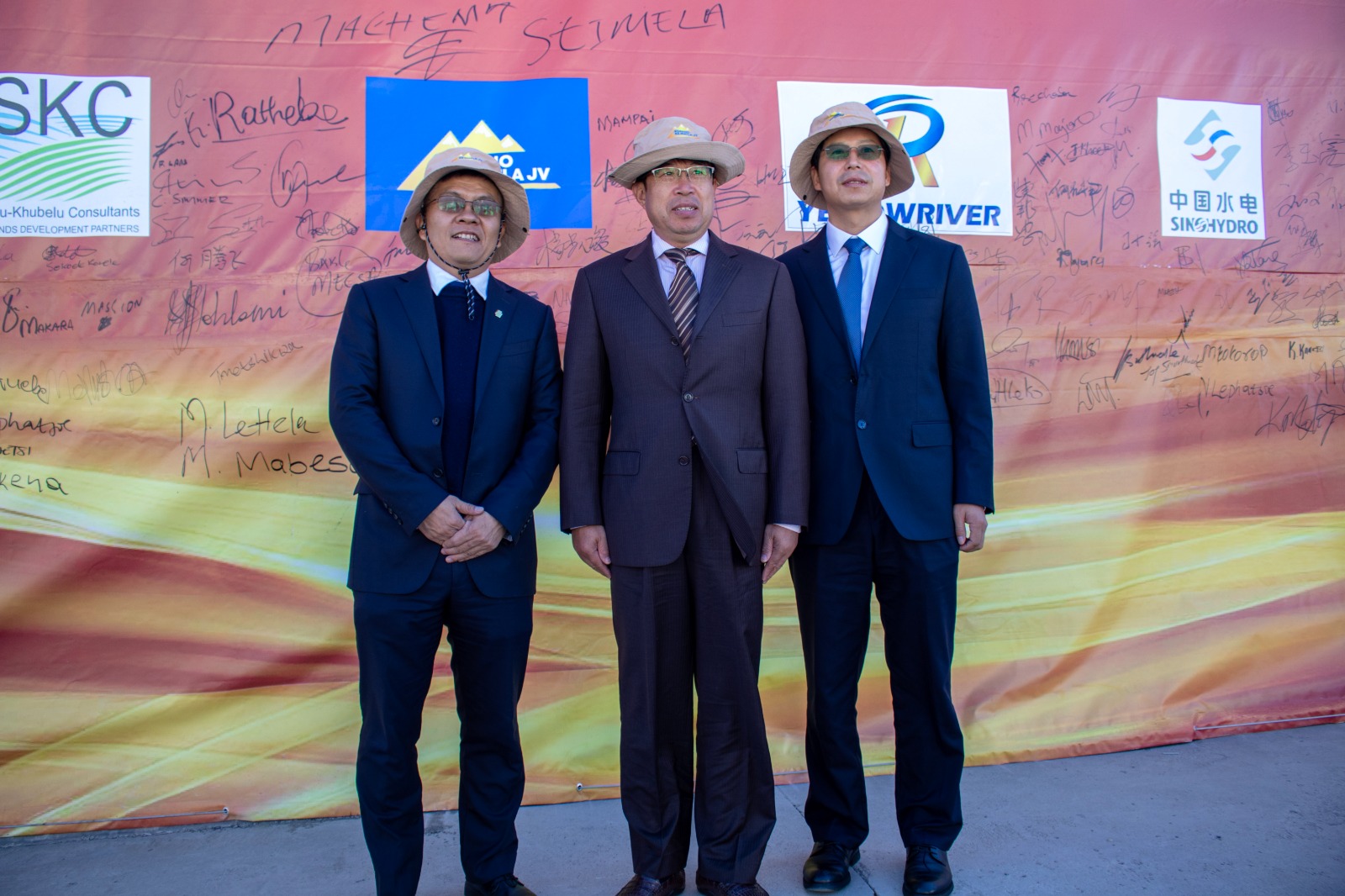
The success of the TBM deployment is a result of a global supply chain managed with local precision. The Metsi a Senqu Khubelu Consultants (MSKC) joint venture—a powerhouse consortium including Zutari, SMEC, Knight Piésold, Hatch, and FM Associates—has been responsible for the design and construction supervision.
The MSKC team provided the TBM specifications that enabled Robbins to build a machine capable of operating in Maluti’s unique geology. Meanwhile, the KKM JV (Kopano Ke Matla) has managed the day-to-day operation of the site, maintaining a 24/7 shift cycle that keeps the “factory” moving. This level of coordination—across Chinese, South African, American, and Basotho entities—serves as a blueprint for future massive-scale infrastructure projects on the continent.
7. Looking Ahead: The “Lake Tap” and Final Breakthrough
As the two TBMs grind toward their mid-point meeting, the engineering team is already preparing for the most dangerous and delicate phase of the project: the “Lake Tap.”
The transfer tunnel must eventually connect to the existing Katse Reservoir. This will require a controlled underwater breakthrough where the TBM (or a specialized drill-and-blast team) will breach the reservoir floor hundreds of metres below the water’s surface. This “lake tap” requires surgical precision in alignment and advanced pressure management to prevent a catastrophic inundation of the tunnel.
Minister Majodina noted that overall project progress has moved from 53% in late 2025 to 58% as of this launch. “We are in the ‘catch-up’ phase,” she said, acknowledging earlier delays but reaffirming the commitment to the 2028/29 deadline.
Conclusion: A Legacy in Stone
The launch of Leboborane la Monyokola Thita is more than an engineering milestone; it is a statement of intent. It proves that despite the challenges of geography, climate, and complex geopolitics, regional cooperation can yield monumental results.
As the TBM disappears into the mountainside, it carries with it the hopes of two nations. For South Africa, it is the promise of a tap that never runs dry. For Lesotho, it is the light of energy independence and the pride of being the “Water Tower” of Southern Africa.
In the words of the naming competition winner, Malira Chefa: “The bee does not just drill; it builds a home.” Through Phase II, Lesotho and South Africa are building a shared home of security, resilience, and prosperity.